
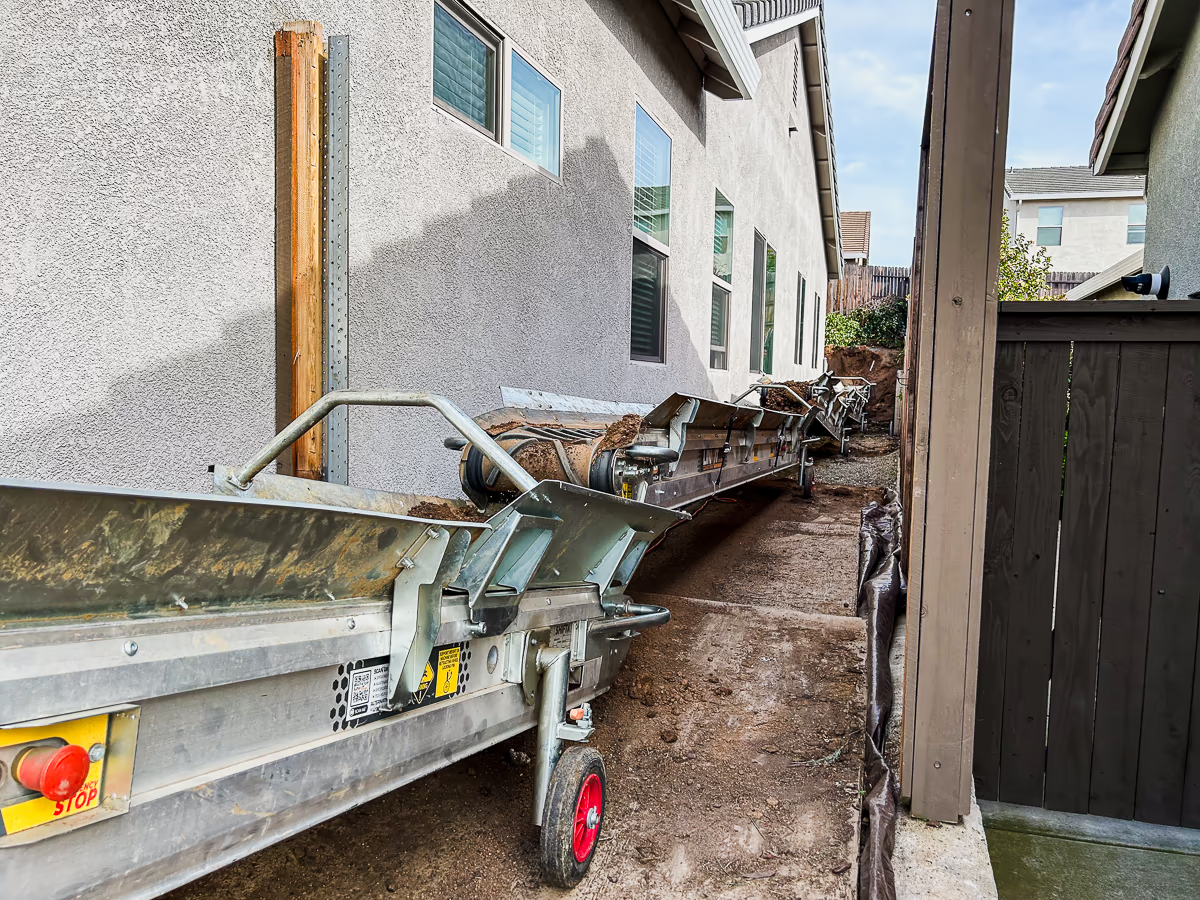
As a Rocklin pool builder, I knew this small yard pool excavation was not a standard dig. This Rocklin backyard has nearly nine feet of grade change from the rear fence down to the house, with a side yard corridor measuring just 3 feet 9.5 inches of working clearance — the only access point to the backyard. Getting that volume of soil out required a purpose-built approach before the first bucket of dirt was turned.
Small Yard Pool Access: The Core Challenge
The access constraints at this site were established during the site planning and design phase. When I measured this site on October 10, 2024, the side yard corridor came in at 4 feet 7.5 inches at the fence opening. With the irrigation system, gas line, and utilities running along the house wall, working clearance dropped to 3 feet 9.5 inches.
No standard excavator fits through that opening. No dump truck gets anywhere near the backyard. Every cubic yard of soil removed from this backyard had to travel through that corridor on its way to the street. A small yard pool excavation in Rocklin demands this level of pre-planning — the equipment decisions are made on paper before anything arrives on site.
The Conveyor Solution for This Rocklin Excavation
The solution was a Linkit sectional conveyor belt system — narrow enough to thread the passage, long enough to reach from the backyard to the dump truck staged at the curb.
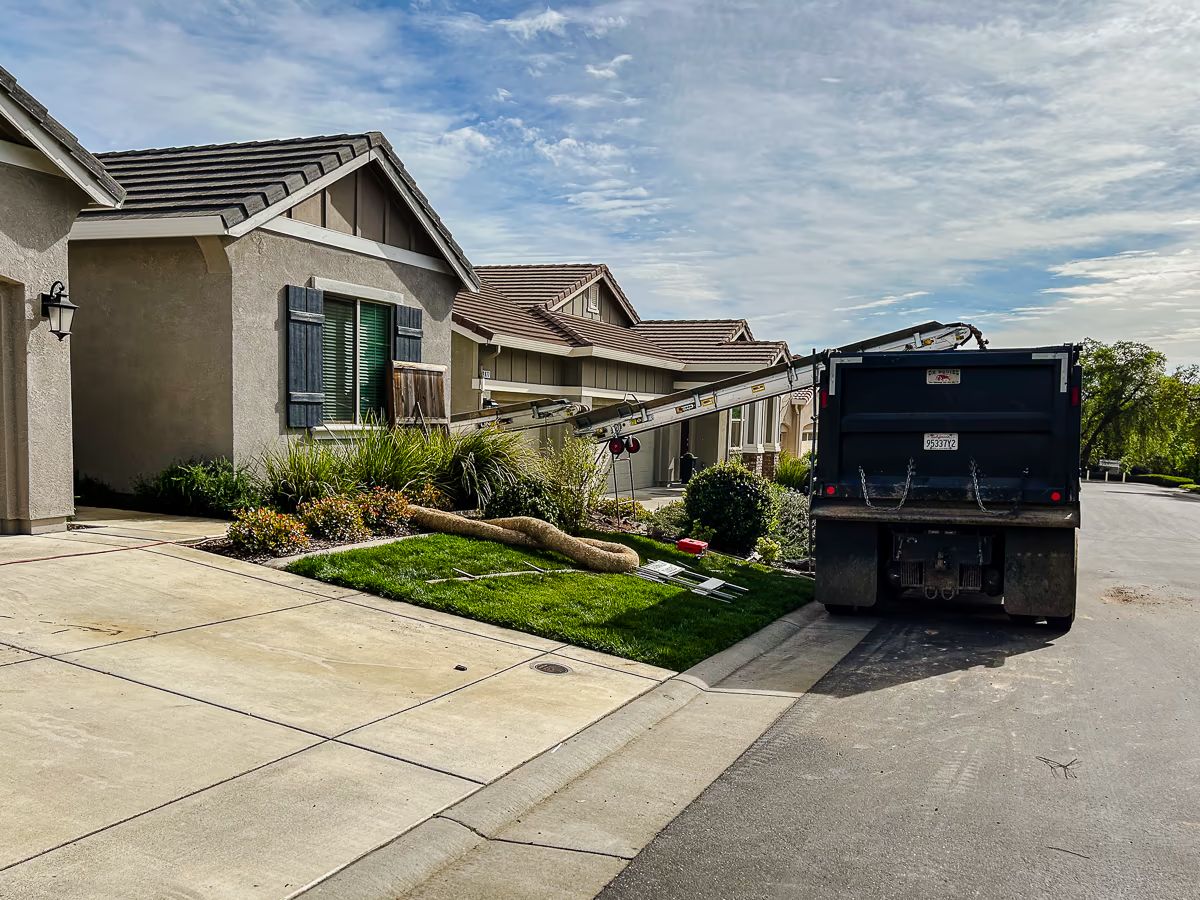
The Linkit system is sectional and wheeled — each section links to the next and rolls on its own support stands. We threaded it through the side yard, across the front yard, and positioned the discharge end directly over the truck bed at the curb. No soil touched the driveway or front landscaping. No vehicle entered the property.
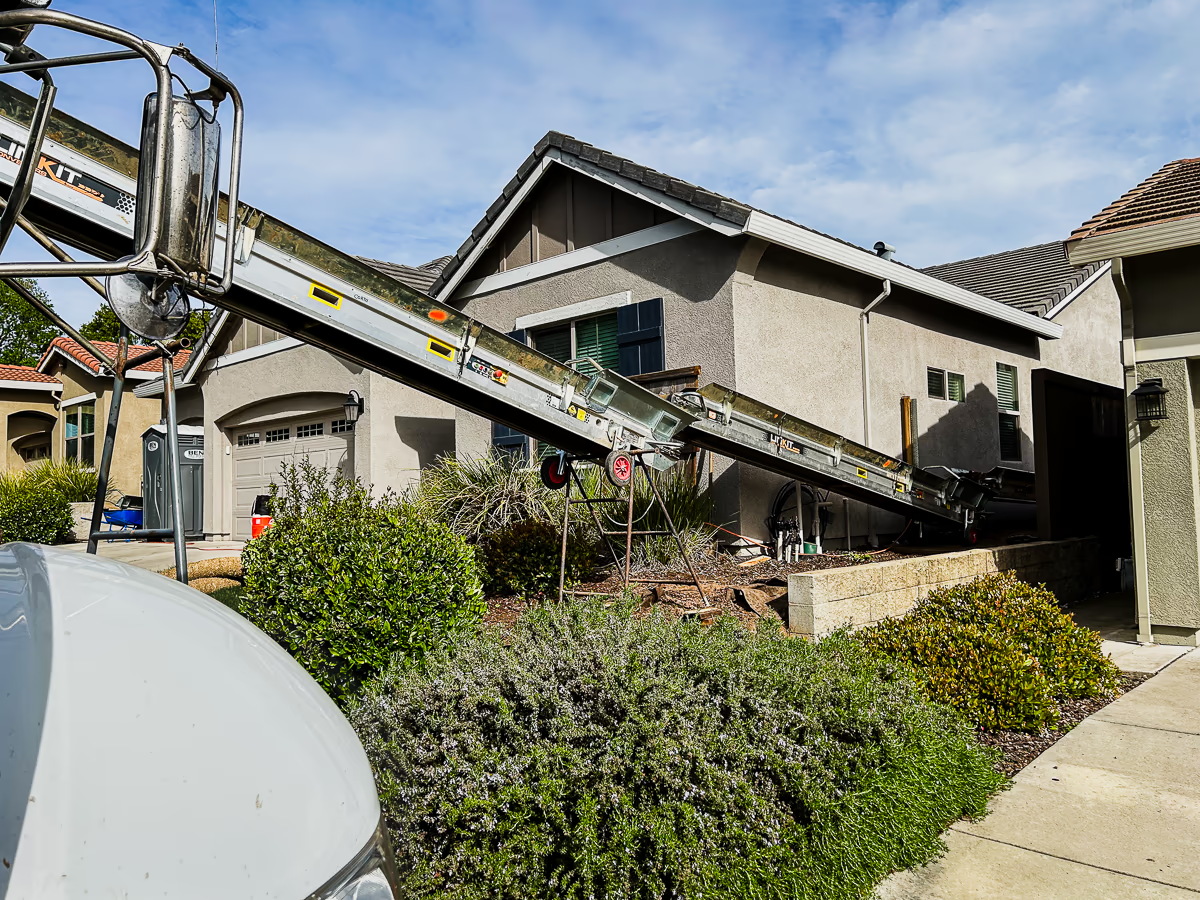
Once the conveyor was in position, excavation ran continuously. A Yanmar mini excavator loaded material at the backyard end, the belt carried it the full length of the passage, and it discharged directly into the truck. When the truck was full, it pulled away and the next one staged in. Approximately twenty ten-yard truckloads came out of this yard over four days.
I had knee replacement surgery in March 2025. The excavation was scheduled for April — and it ran on schedule. I walked the site carefully, but I walked it. The crews were attentive. That is how this business works: the client timeline does not move because the contractor has a medical event.
Excavating a Small Yard Pool in Rocklin
Both Machines, One Small Yard Excavation
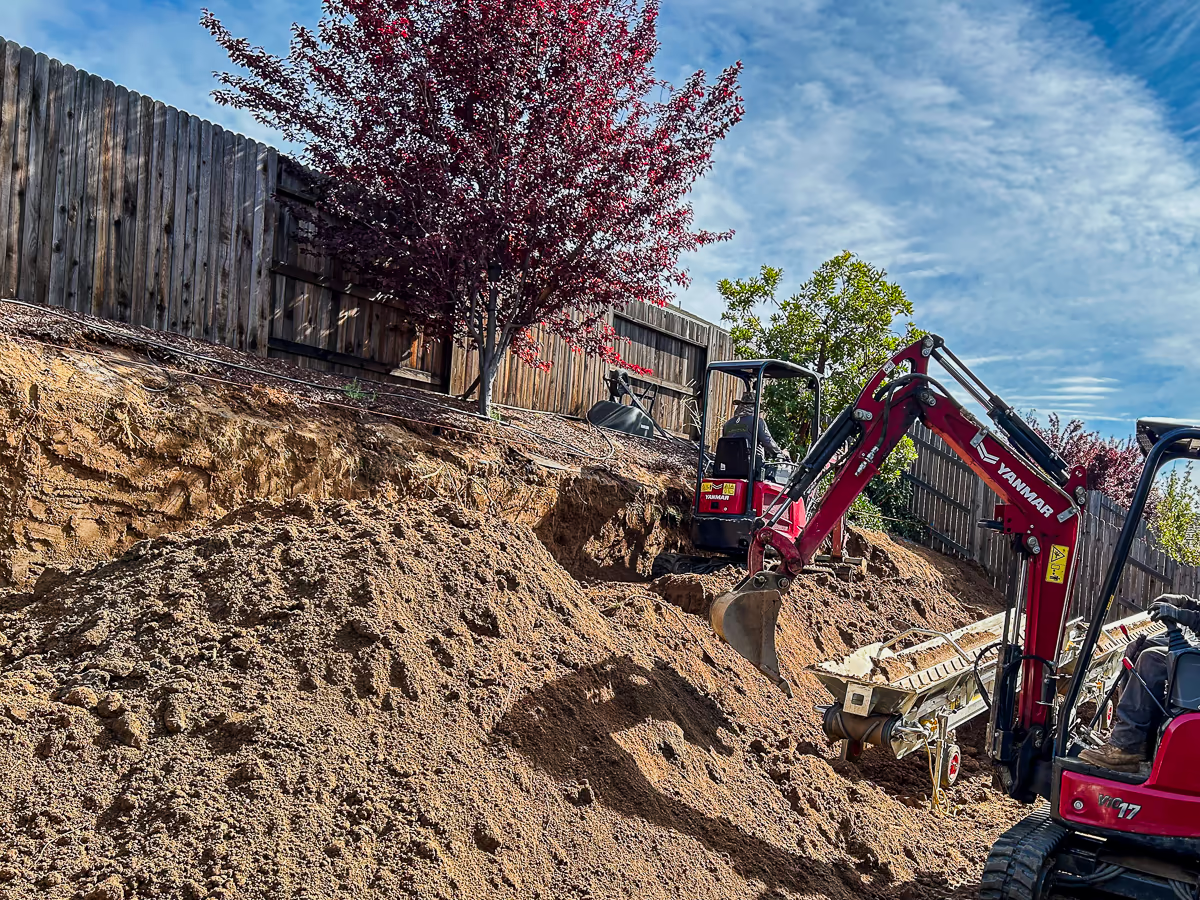
On this project we ran two Yanmar mini excavators simultaneously. A standard-size machine would have been faster on any individual dig — but it does not fit through a 3-foot-9-inch corridor. Two Yanmars working in tandem gave us the production rate the job required within the access constraints of this site.
On a site with this much grade change, accurate grading is essential from day one. The crew had their own laser level set up and checked elevations at critical points throughout the dig — any deviation means corrective work later when the rebar and forms are already in place.
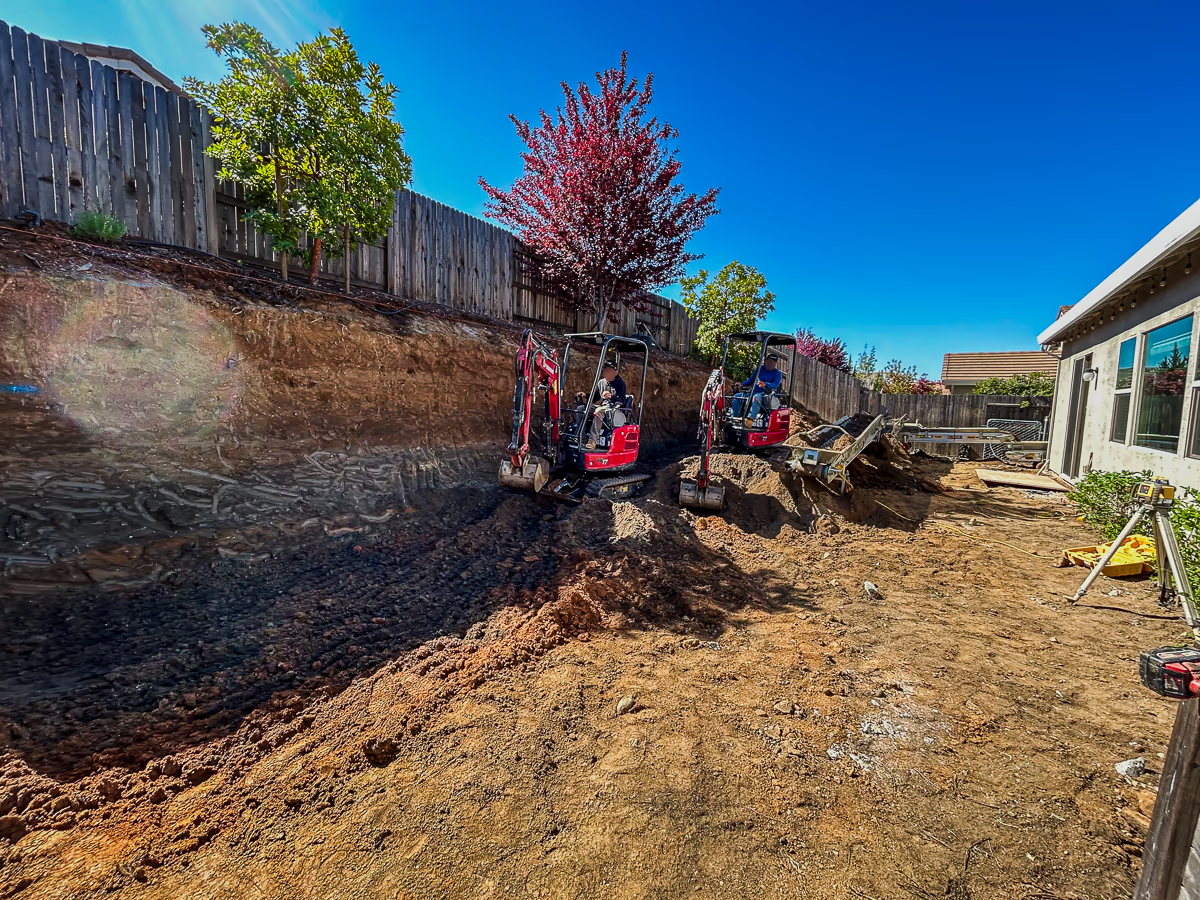
The cut wall along the back of the yard reached approximately seven to eight feet at its highest point. That exposed face shows exactly what we removed from this backyard — material that had been sitting behind the original railroad tie retaining walls for years. All of it came out through that four-foot corridor.
From Pool Excavation to Structural Work
When the pool excavation was within one to two feet of final depth, I brought in the project structural engineer to inspect the excavation and footing conditions. This inspection is not required by the building department — it is something I require on every project. I want to confirm that the native soils are adequate and that the structural engineering assumptions are appropriate for actual field conditions before structural footing and wall construction proceeds. On April 15, 2025, the structural engineer performed a site visit and used a soil probe to evaluate soil density and suitability. His written determination: the excavated soils consist of very dense silty sand and are suitable to support the pool shell and retaining walls. No fill soil was observed.
Before the main pool excavation began, the yard was pre-graded and the cut wall established. Rebar dowels were set and string lines established at the -0- bond beam elevation, per the engineered plans, before footing trenches and pool excavation proceeded. The Rocklin small yard pool excavation phase closed out in four days.
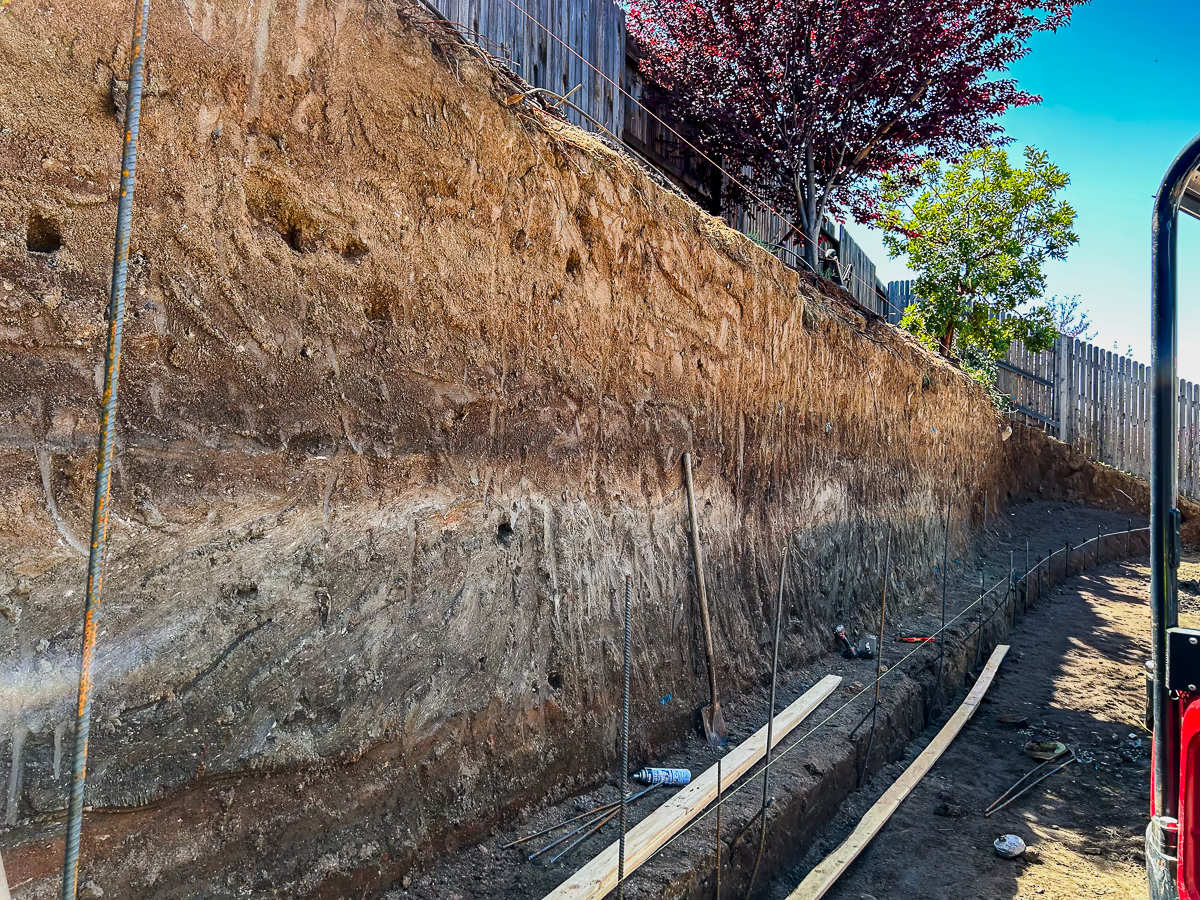
The footing system is the structural foundation for the five-foot gunite retaining wall that permanently holds the grade behind the pool. The footings run along both sides of the pool and continue on the return walls. Vertical rebar dowels set into the footing support the form boards — the plywood forms used as backing for the gunite wall are secured to them. The forms must be strong enough to withstand the force of the gunite application that builds the wall.
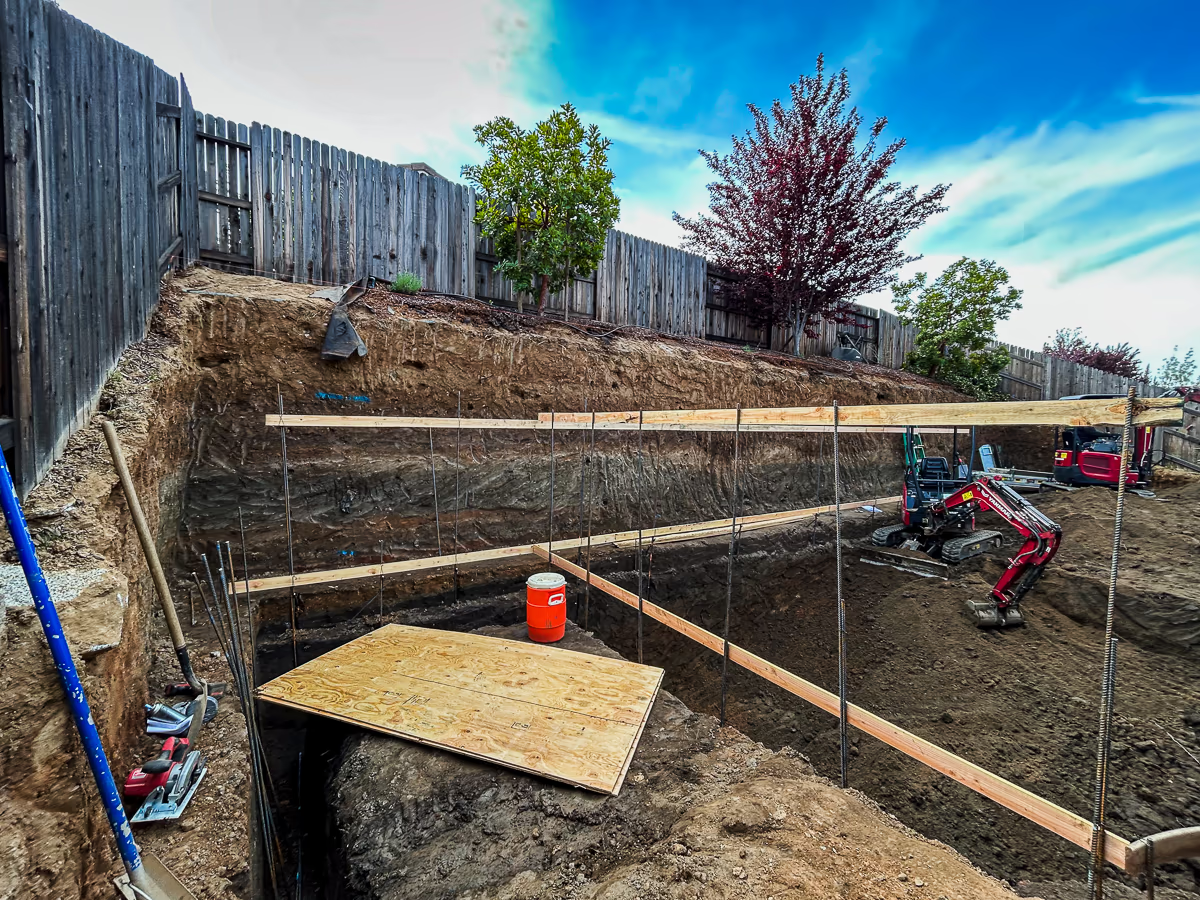
Form boards span the pool cavity marking the design dimensions and finish elevations. Plywood sheathing for the retaining wall forms is installed true to line and grade. The pool shell footprint — bench, steps, and deep end — is fully defined at this stage.
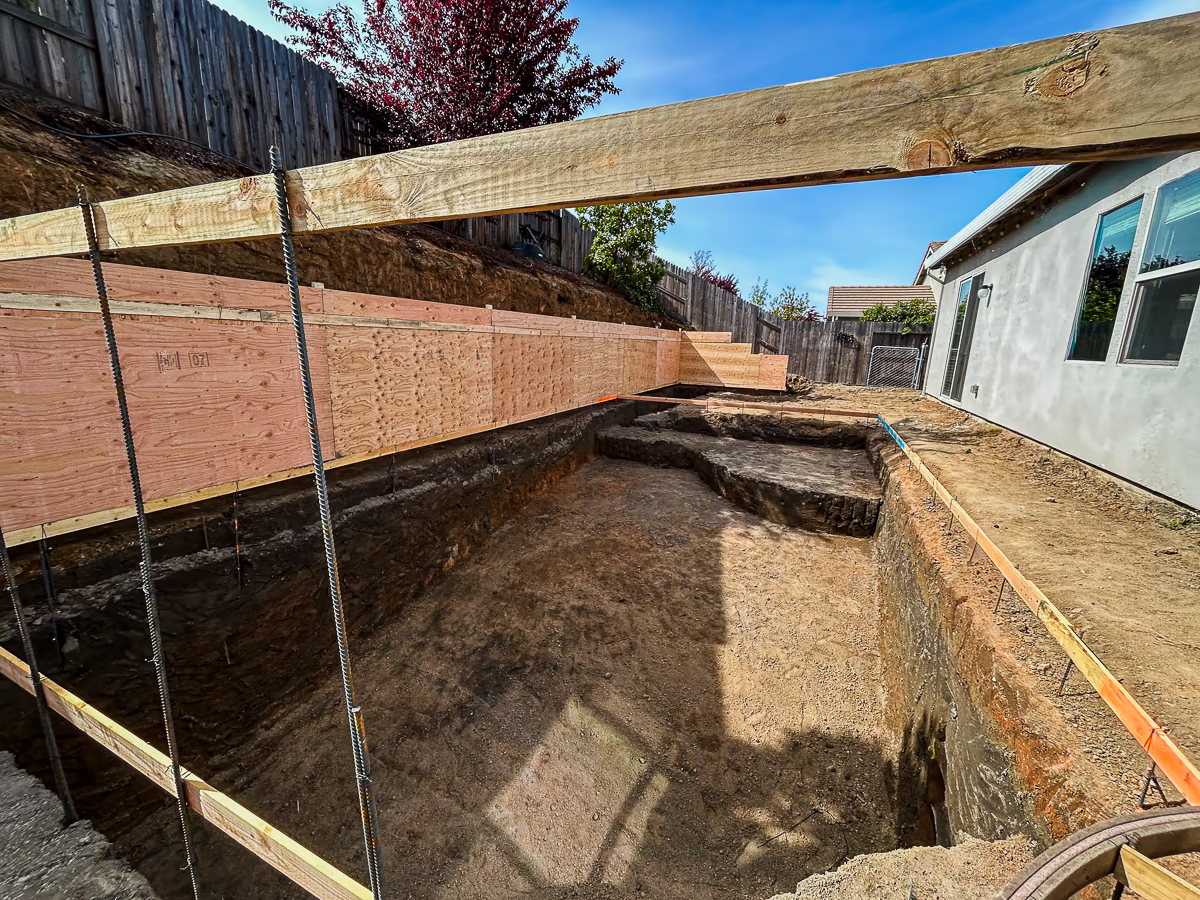
By the time excavation was signed off, the retaining wall form boards were already placed against the slope. Plywood panels lined the full length of the back wall face, held by horizontal waler boards. The pool shell geometry is defined. The plumbing and rebar crews come next.
Does your yard have slope, limited access, or both?
The first step is a visual site consultation to determine what is actually buildable. If the project is a good fit, we move into a paid design consultation where everything is measured and engineered correctly.
Jim Chandler Pools Inc. has been building custom gunite pools in Rocklin, Placer County, and the greater Sacramento region since 1990. CSLB C-53 License #585004. Return to the Rocklin Small Yard Pool project overview.